
Do I Qualify For Social Security Disability Benefits?
Do I Qualify For Social Security Disability Benefits?
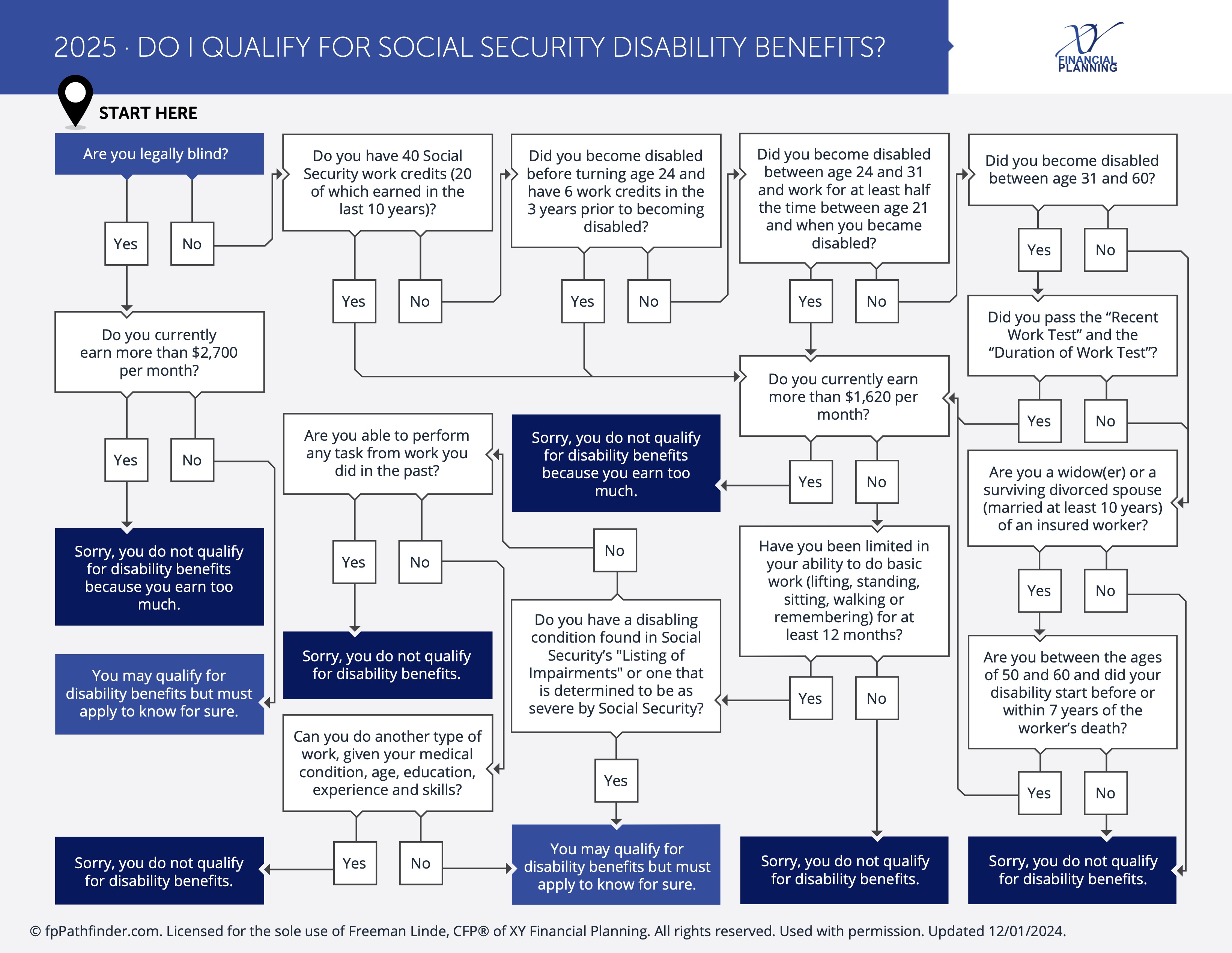
Do I Qualify For Social Security Disability Benefits? This flowchart will walk you through discovering your eligibility.
Navigating the world of Social Security Disability Benefits (SSDI) may seem daunting, but comprehending the eligibility criteria is vital. This guide offers a comprehensive exploration of the factors determining qualification for SSDI and insights into the application process.
Understanding Social Security Disability Benefits
SSDI is a federal program aimed at providing financial aid to individuals unable to work due to a qualifying disability. It offers monthly benefits to help disabled individuals meet basic needs and maintain a certain standard of living.
Determining Eligibility for SSDI
Eligibility for SSDI hinges on several factors:
- Work History: Applicants must have a substantial work history during which they paid Social Security taxes. The Social Security Administration (SSA) evaluates an applicant’s work history through a system of work credits.
- Medical Condition: An applicant must have a qualifying medical condition meeting the SSA’s disability definition. This condition must be expected to last for at least one year or result in death. The SSA maintains a list of impairments automatically considered as disabilities.
- Severity of Disability: The disability must be severe enough to prevent the applicant from engaging in substantial gainful activity (SGA). The SSA assesses an applicant’s work ability based on their medical condition, age, education, and work experience.
- Age: While there is no minimum age requirement for SSDI, applicants must be younger than full retirement age to qualify. Individuals over 50 may find it easier to qualify due to special rules considering age and work history.
Applying for SSDI Benefits
The application process involves several steps:
- Document Collection: Gather medical records, employment history, and other relevant documentation to support the disability claim.
- Application Completion: Complete the SSDI application online, over the phone, or in person at a local Social Security office. Provide detailed information about the medical condition, work history, and daily activities.
- Medical Evaluation: The SSA reviews the applicant’s medical records and may request additional medical evaluations to assess the severity of the disability.
- Waiting Period: A waiting period of five months typically ensues from the disability onset before SSDI benefits commence.
- Appeals Process: If an application is denied, applicants have the right to appeal. This process involves several stages, including reconsideration, a hearing before an administrative law judge, and review by the Appeals Council.
Conclusion
Qualifying for Social Security Disability Benefits can be challenging, but understanding the eligibility criteria and application process is essential. By meeting the requirements outlined by the SSA and providing thorough documentation of their disability, individuals can enhance their chances of securing SSDI benefits. If you or someone you know is unable to work due to a disability, exploring SSDI options and seeking assistance from qualified legal or advocacy organizations is crucial.
See more flowcharts here!
This article is educational only and is not intended to be investment, legal, or tax advice or recommendations, whether direct or incidental. Again, this is not investment advice. Consult your financial, tax, and legal professionals for specific advice related to your specific situation. Never take investment advice from someone who doesn’t know you and your specific situation. All opinions expressed in this article are those of the people expressing them. Any performance referenced is historical and is no guarantee of future results. All indices are unmanaged and may not be directly invested in.